- All
- Product Name
- Product Keyword
- Product Model
- Product Summary
- Product Description
- Multi Field Search

Views: 0 Author: Site Editor Publish Time: 2026-07-15 Origin: Site
TL;DR:
LED exit signs are a non-negotiable component of commercial safety infrastructure. Combined with ceiling-mounted emergency fixtures and a reliable backup lighting system, they guide occupants safely out of buildings when power fails. Choosing certified, energy-efficient products from a trusted manufacturer reduces both compliance risk and long-term operating costs.
Every year, building fires, power outages, and other emergencies catch facility managers off guard. When the lights cut out, occupants need clear, immediate visual direction—fast. That's where a well-designed emergency lighting system earns its place. It's not a luxury or a regulatory formality. It's the difference between an orderly evacuation and chaos in a darkened corridor.
This post breaks down why exit signage and emergency lighting deserve serious attention, what separates a reliable fixture from a subpar one, and how PRO LED's product range addresses the needs of commercial and industrial facilities worldwide.
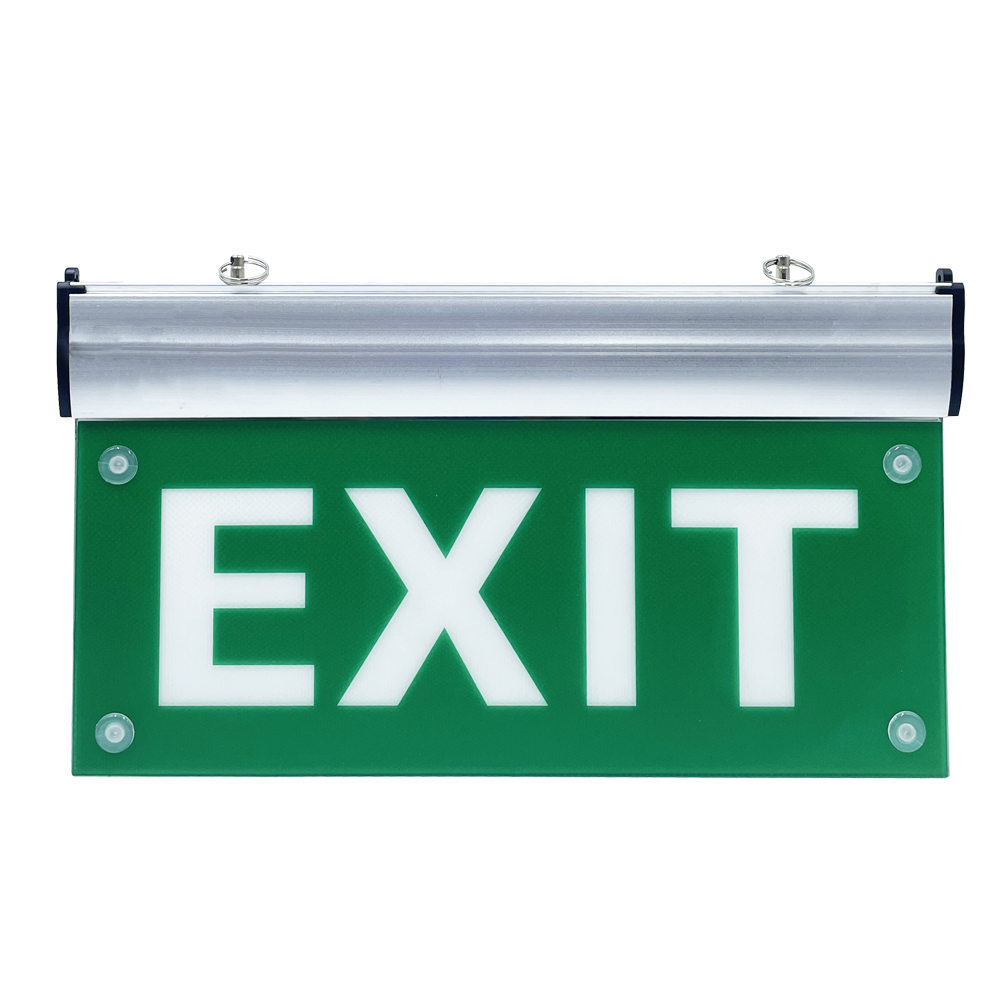
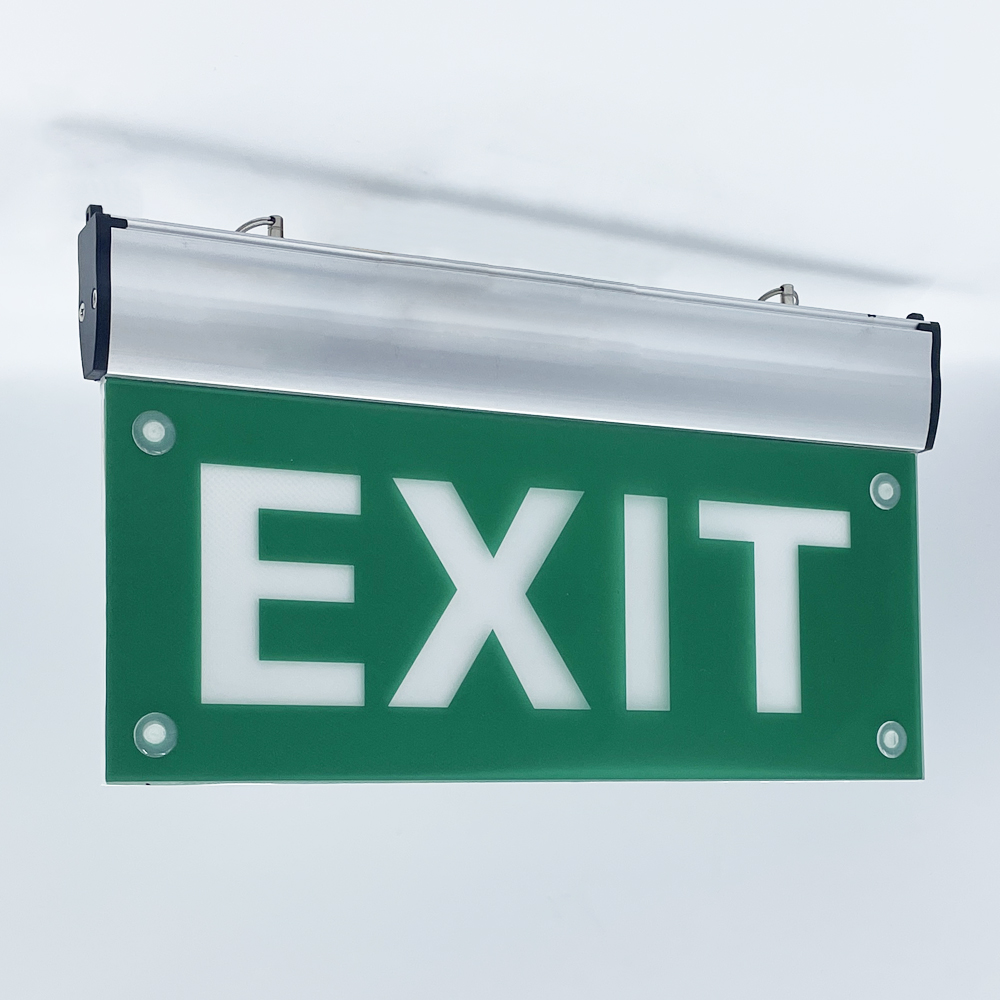
A properly placed LED Exit Sign does one job, but it does it under the worst possible conditions. When smoke fills a hallway or a power surge plunges a building into darkness, building codes in most regions require exit signs to remain illuminated—typically for a minimum of 90 minutes on battery backup.
LED technology has made this standard far easier and more cost-effective to meet. Compared to traditional incandescent or fluorescent exit signs, LED versions consume up to 80% less energy while lasting significantly longer. For facility managers overseeing dozens or hundreds of fixtures, that difference adds up fast—both in energy bills and maintenance callouts.
Beyond energy efficiency, visibility matters enormously. Signs must be readable from a distance, in smoke-filled air, and at varying angles. Products that meet IEC or UL certification standards are tested specifically for these conditions, giving building operators confidence that fixtures will perform when they must.
Not all emergency lighting products are built to the same standard. Some manufacturers cut corners on battery capacity, housing materials, or circuit design—issues that only reveal themselves during an actual emergency. When sourcing fixtures, facility managers should evaluate products against a consistent set of criteria.
The table below outlines the key specifications to compare across fixture types:
Specification | What to Look For |
|---|---|
Battery backup duration | Minimum 90 minutes (check local code) |
Charging time | Full charge within 24 hours |
Lumen output | Sufficient for corridor width and ceiling height |
Housing material | Fire-resistant ABS or polycarbonate |
Certification | CE, UL, ISO 9001, or regional equivalent |
Operating temperature | Suitable for the installation environment |
Maintenance indicator | LED charge status or self-test function |
IP rating | IP20 minimum for indoor; IP65+ for outdoor/harsh environments |
Facilities with high ceilings—warehouses, shopping centers, transport hubs—need fixtures specifically rated for that mounting height. Standard low-ceiling products lose effective lumen output when installed above their rated range, leaving sections of escape routes dangerously under-lit.
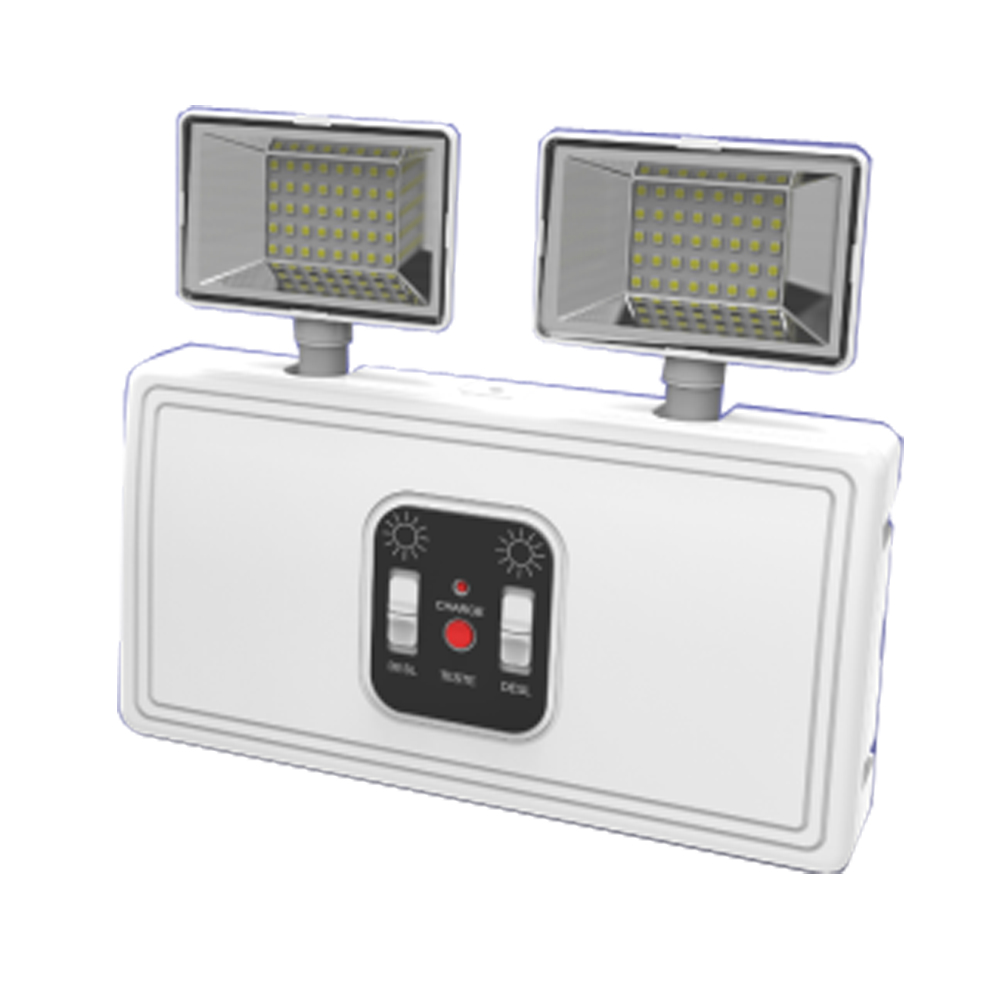
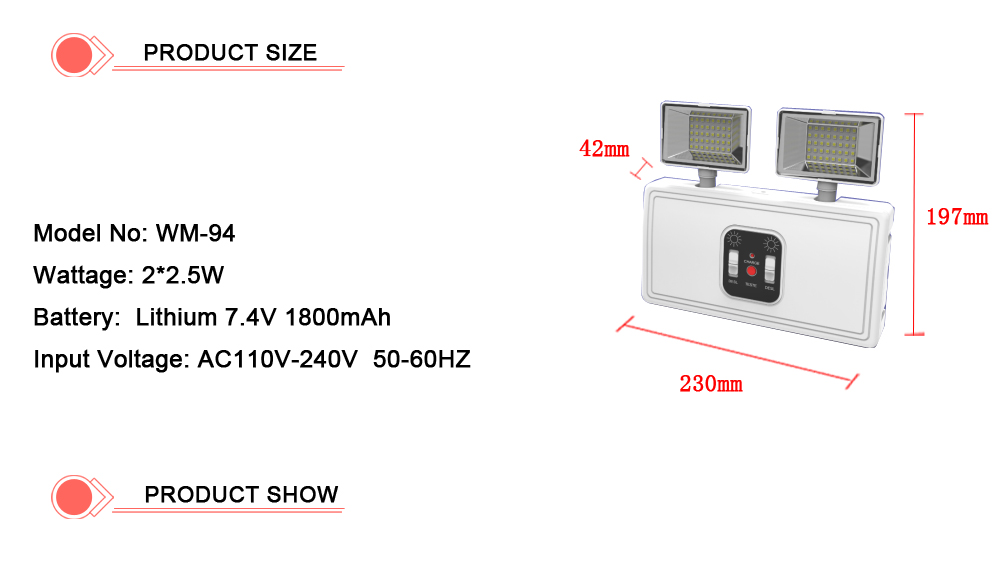
Jiangmen Yuanhe Import and Export Co., Ltd, the manufacturer behind the PRO LED brand, has been exporting emergency lighting products since 2001. The company operates from Jiangmen City, Guangdong Province—close to Guzhen, widely recognized as China's lighting manufacturing capital. With over two decades of export experience and certifications including ISO 9001:2008, CE, and CCC, PRO LED supplies facility managers and distributors across global markets.
The product range covers the full scope of emergency lighting needs. For general corridor and open-plan office coverage, the led emergency ceiling light category includes recessed and surface-mount options with adjustable beam coverage. These fixtures integrate cleanly into modern commercial interiors without the industrial bulk that often makes emergency fixtures an aesthetic afterthought.
PRO LED also manufactures twin spot emergency lights, bulkhead lights, emergency drivers for retrofit projects, and an intelligent central monitoring system that allows facility managers to track the status of every fixture from a single control panel. For high-risk environments, explosion-proof emergency lights are available for petrochemical, mining, and industrial applications.
Products comply with international safety standards, and the in-house QC process covers materials inspection, in-production quality control, and finished product testing before any unit ships. For buyers sourcing at scale, PRO LED's full factory management system—including dedicated storage, production, and inspection departments—supports consistent quality across large orders.
Even well-intentioned facility managers make avoidable errors. The most common ones:
Spacing fixtures too far apart. Gaps in coverage create dark zones that defeat the purpose of the system. Local fire codes typically specify maximum spacing for emergency luminaires based on corridor width.
Neglecting regular testing. Emergency lighting must be tested monthly (functional check) and annually (full discharge test) in most jurisdictions. Fixtures with self-test capability simplify this significantly.
Using residential-grade products in commercial settings. Products not rated for commercial or industrial use may fail certification audits and create liability exposure.
Ignoring battery replacement schedules. Batteries degrade over time. A fixture that passed its last inspection may fail two years later if the battery hasn't been replaced on schedule.
Forgetting high-risk transition zones. Stairwells, plant rooms, generator areas, and loading docks are often under-lit compared to main corridors.
A well-specified Emergency Light system accounts for all of these factors at the planning stage—not as an afterthought once a facility is already built out.
The right emergency lighting configuration depends on building size, occupancy type, ceiling height, local fire code, and budget. For straightforward commercial offices, a combination of exit signs and ceiling-mounted emergency luminaires typically covers most requirements. Larger or more complex facilities may benefit from a centralized intelligent monitoring system that logs test results automatically and flags failing fixtures.
PRO LED's product catalog spans all of these scenarios. Whether you're outfitting a single-floor retail unit or a multi-building industrial campus, the range covers standard configurations and specialized requirements alike. Distributors and facility managers can contact the PRO LED team directly via kate@worldyuanhe.com or helen@worldyuanhe.com to discuss project specifications and volume pricing.
What is the difference between an exit sign and an emergency light?
An exit sign marks the location of an egress route and must remain illuminated at all times. An emergency light activates when mains power fails and illuminates the path along escape routes. Most compliant buildings require both, installed in coordination.
How long must emergency lighting stay on during a power failure?
Most international standards, including IEC 60598-2-22 and NFPA 101, require a minimum of 90 minutes of backup illumination. Some jurisdictions or building types require longer durations—always verify against your local fire code.
Are LED emergency lights better than fluorescent alternatives?
LED emergency lights consume significantly less energy, have a longer operational lifespan, and reach full brightness instantly without warm-up time. These characteristics make LED the preferred technology for both new installations and retrofit projects.
What certifications should I look for when sourcing emergency lighting products?
CE certification is required for products sold in Europe. UL listing applies to the North American market. ISO 9001 certification indicates a manufacturer's quality management system has been independently audited. PRO LED products carry CE, CCC, and ISO 9001:2008 certification.
Can PRO LED supply both standard and intelligent emergency lighting systems?
Yes. PRO LED manufactures standalone emergency fixtures as well as a complete intelligent central control system, which includes a host unit, central control panel, and networked emergency luminaires for real-time monitoring and automated test logging.


