- All
- Product Name
- Product Keyword
- Product Model
- Product Summary
- Product Description
- Multi Field Search

Views: 0 Author: Site Editor Publish Time: 2026-06-23 Origin: Site
Quick answer:
Backup lighting systems activate the moment mains power fails, giving building occupants enough illumination to find exits and evacuate safely. Facility managers should choose certified fixtures based on ceiling height, building layout, and local fire codes. The right setup reduces panic, meets safety standards, and saves lives.
When the power goes out in a crowded building, the difference between an orderly evacuation and dangerous chaos often comes down to one thing: reliable backup illumination. A well-designed emergency light system switches on automatically, lighting up corridors, stairwells, and exit routes when people need them most.
This guide explains how these systems work, the main fixture types available, and how facility managers can choose the right products for their buildings. You'll also learn what certifications matter, where each fixture type performs best, and how to keep your setup compliant with international safety codes.
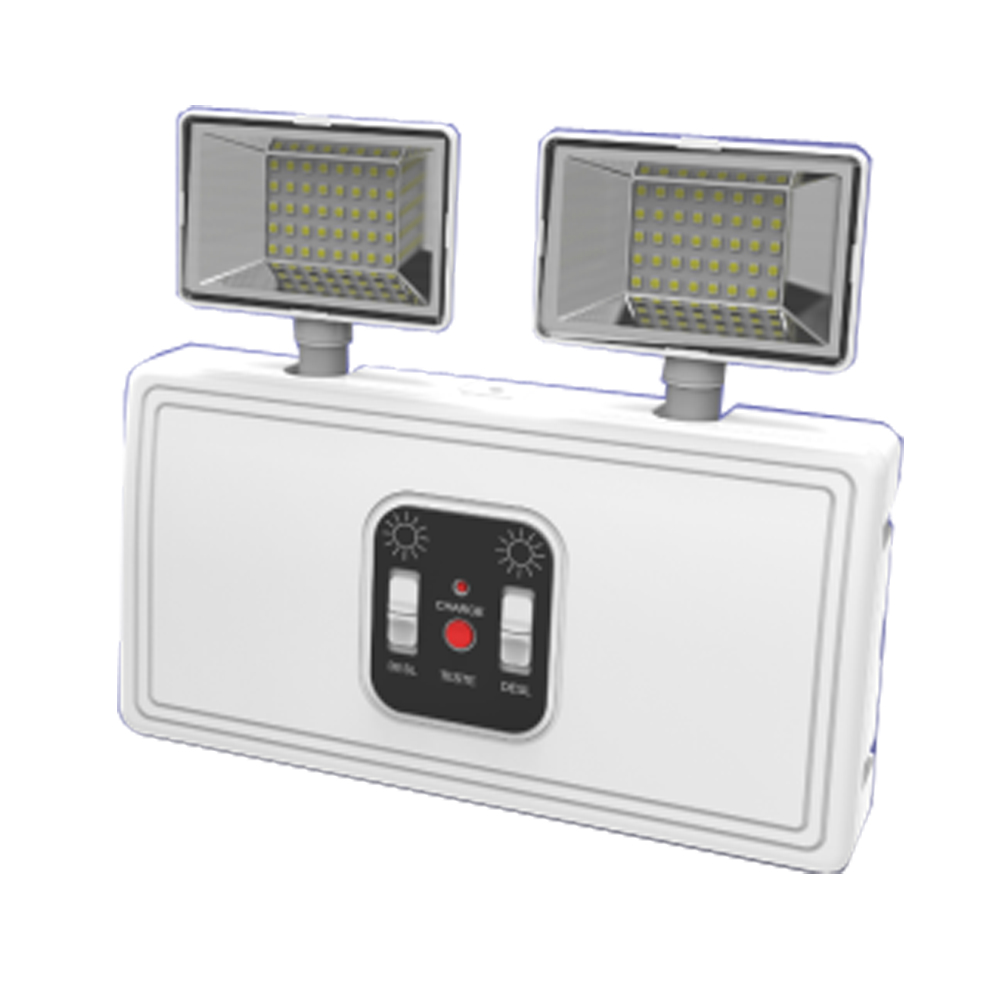
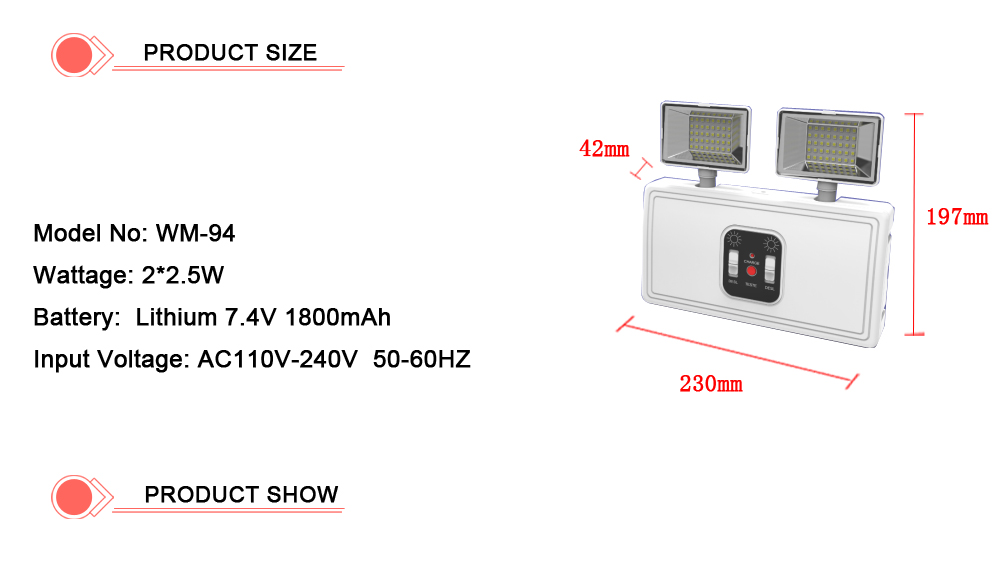
Backup lighting operates on a simple principle: when mains power fails, an internal battery or central power source takes over within seconds. Most modern fixtures use rechargeable batteries that stay topped up during normal operation. The moment a power outage hits, sensors detect the loss and trigger the lights instantly.
There are two main configurations. Self-contained units carry their own battery inside each fixture, making them easy to install and maintain. Centralized systems, by contrast, draw backup power from a single host or control panel, which suits larger commercial buildings that need coordinated monitoring across dozens of fixtures.
According to international safety standards, backup illumination must stay on for a minimum duration—typically 90 minutes to 3 hours—to allow full evacuation. This is why battery quality and regular testing matter so much.
Different areas of a building call for different fixture types. Choosing the right combination ensures every escape route stays visible during an outage. Here's a comparison of the most common options:
Fixture Type | Best Location | Typical Runtime | Key Benefit |
|---|---|---|---|
Ceiling-mounted unit | Open offices, lobbies, corridors | 90–180 min | Even, wide-area illumination |
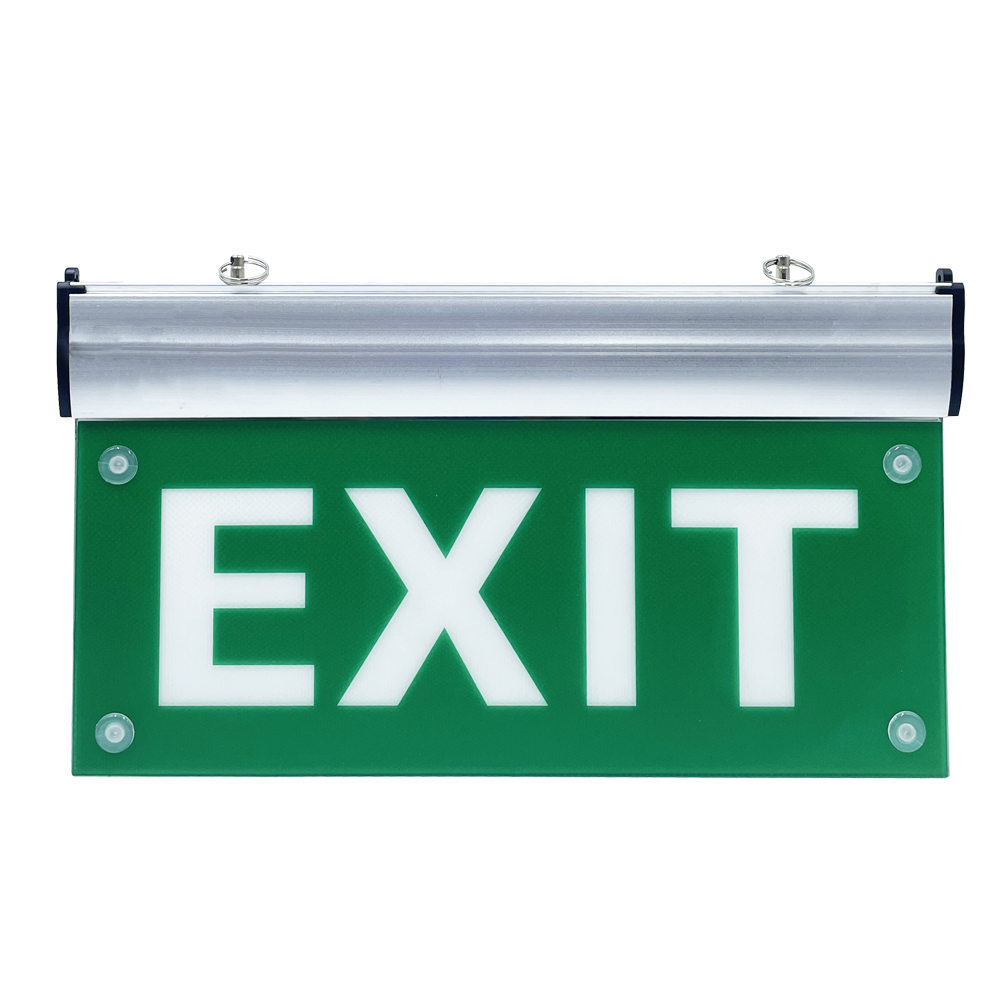
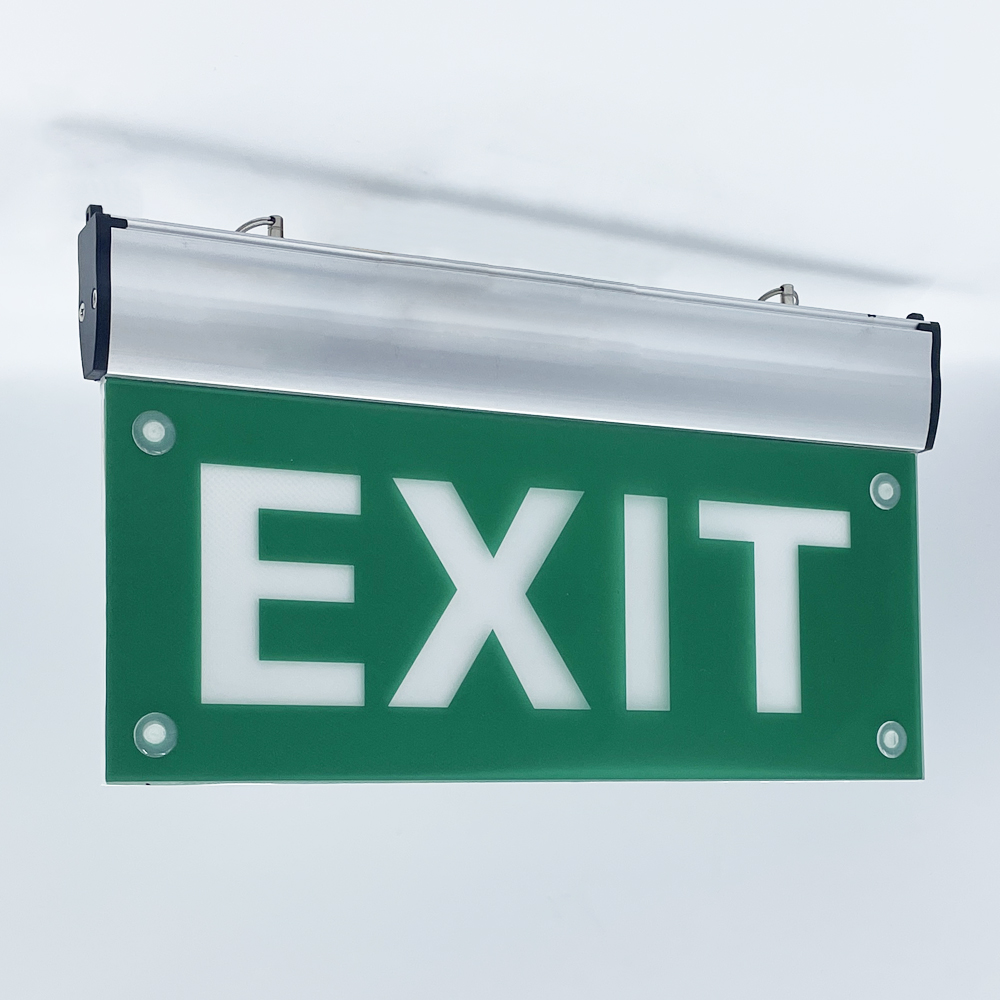
Exit signage | Doorways, stairwell entrances | 90–180 min | Clear directional guidance |
Twin spot light | Warehouses, large halls | 120–180 min | Focused, high-output beams |
Bulkhead light | Stairwells, outdoor walls | 90–180 min | Rugged, weather-resistant |
Downlight | Retail spaces, hotels | 90–120 min | Discreet, decorative finish |
A ceiling-mounted LED Emergency Ceiling Light works well in spaces where you need broad, even coverage without harsh glare. For directional guidance, illuminated signage points people toward the nearest safe exit, even through smoke or dim conditions.
Selecting fixtures isn't just about wattage—it's about matching products to your specific space and risk profile. Start by assessing three factors.
Ceiling height affects how much coverage each fixture delivers. High ceilings in warehouses need high-output spot lights, while standard office ceilings work fine with recessed downlights or surface-mounted units. Map out your corridors, stairwells, and open areas before ordering, so you know exactly how many fixtures each zone requires.
Certification is non-negotiable for safety equipment. Look for fixtures that comply with ISO 9001, CE, and CCC standards. For markets like North America, UL-listed products meet stricter requirements. Buying from a manufacturer with proper quality certification—like an ISO 9001:2008 certified factory—gives you confidence that the products will perform when it counts.
Clear exit marking saves lives during a crisis. Position an LED Exit Sign at every doorway and decision point along an escape route. People under stress follow visual cues instinctively, so consistent, well-placed signage helps prevent confusion and bottlenecks.
Even the best fixtures fail if their batteries degrade unnoticed. Most safety codes require monthly functional tests and an annual full-duration test, where the system runs on battery power for its rated time. Centralized systems with a control panel make this easier by automating tests and flagging faults before they become dangerous.
Skipping maintenance is one of the most common compliance failures during fire inspections. A simple testing schedule keeps your building safe and your records audit-ready.
Reliable backup illumination protects lives, reduces liability, and keeps your building compliant with fire safety regulations. The smartest approach combines the right fixture types for each area, proper certification, and a consistent testing routine.
If you're planning a new installation or upgrading an aging system, start by mapping your building's escape routes and consulting a trusted manufacturer who can match products to your needs. Yuanhe, a Jiangmen-based factory with over 20 years of experience in commercial and industrial lighting, offers a full range of certified fixtures and intelligent control systems to support projects of any scale.
How long should backup lighting stay on during a power outage?
Most international safety standards require backup fixtures to run for at least 90 minutes, though many buildings specify up to 3 hours. The right duration depends on your building size and how long a full evacuation realistically takes.
How much does it cost to install a building-wide safety lighting system?
Costs vary based on building size, fixture type, and whether you choose self-contained or centralized units. Self-contained fixtures cost less upfront and are easier to install, while centralized systems carry a higher initial price but simplify monitoring in large facilities.
What's the difference between self-contained and centralized systems?
Self-contained fixtures hold their own battery, making them ideal for smaller buildings or retrofits. Centralized systems power multiple fixtures from one source with a control panel, which suits large commercial sites that need automated testing and coordinated monitoring.
How often do safety fixtures need testing?
Run a quick functional test monthly to confirm fixtures activate correctly, and perform a full-duration test once a year. Centralized systems can automate these checks and alert you to faults early.
Who is responsible for emergency lighting compliance in a building?
The building owner or facility manager typically holds responsibility for ensuring fixtures are installed, certified, tested, and maintained to local fire codes. Working with a certified manufacturer simplifies meeting these obligations.


