- All
- Product Name
- Product Keyword
- Product Model
- Product Summary
- Product Description
- Multi Field Search

Views: 0 Author: Site Editor Publish Time: 2026-10-22 Origin: Site
When the power goes out in a commercial building, the first thirty seconds matter more than people realize. Hallways go black, stairwells become hazards, and panic can spread faster than smoke in a fire. This is precisely the moment a well-designed emergency lighting system proves its worth, guiding occupants toward safety without hesitation or confusion.
Building owners, facility managers, and electrical contractors all face the same question eventually: how do you choose lighting that performs reliably during the rare but critical moments it's actually needed? The answer involves more than just buying a fixture off a shelf. It requires understanding the different categories of safety lighting, how they work together, and which standards they need to meet.
This article breaks down the essentials of commercial emergency lighting, compares the main product types side by side, and explains what separates a dependable system from one that fails when it matters most.
Every commercial structure, from office towers to warehouses, is legally required to maintain functioning backup illumination along escape routes. A properly installed emergency light activates automatically during a power interruption, drawing on a built-in battery to keep corridors, stairwells, and exits visible for a minimum duration, typically three hours under most fire safety codes.
The consequences of skipping this step are serious. Insurance claims can be denied, fire inspections can fail, and worst of all, occupants can be left stranded in the dark during an actual emergency. For this reason, facility managers increasingly treat backup lighting as a core piece of building infrastructure rather than an afterthought bolted on during final inspection.
Modern systems have also moved well beyond the old incandescent bulkhead fixtures of decades past. LED technology now dominates the category because it draws less power from the battery, lasts significantly longer, and produces brighter, more even illumination across a wider area. That efficiency translates directly into longer battery runtime and fewer maintenance callbacts over the life of the installation.
Exit signage might seem like the simplest part of a safety lighting plan, but the details matter enormously. A quality exit sign needs to remain legible from a distance, survive years of continuous operation, and switch instantly to battery power the moment mains electricity drops.
Many facility managers overlook the practical differences in mounting flexibility, visibility angle, and battery chemistry when selecting signage for their buildings. A unit that looks identical to a competitor's on a spec sheet can behave very differently after three years of daily charge cycles. This is why experienced buyers test sample units and request documented battery life data before committing to a large order.
For anyone sourcing signage for a multi-floor property, it's worth examining the full range of configurations. A reliable led exit sign should offer both single and double-sided mounting options, adjustable brightness, and a battery backup rated for the full duration required by local fire code. Skimping on any of these specifications creates a weak point in an otherwise solid evacuation plan.
Exit signs handle directional guidance, but open areas like lobbies, conference rooms, and warehouse floors need broader, ambient coverage. That's where ceiling-mounted fixtures come in. A well-placed led emergency ceiling light spreads illumination evenly across a room, so occupants aren't left navigating furniture, equipment, or inventory shelving by memory alone.
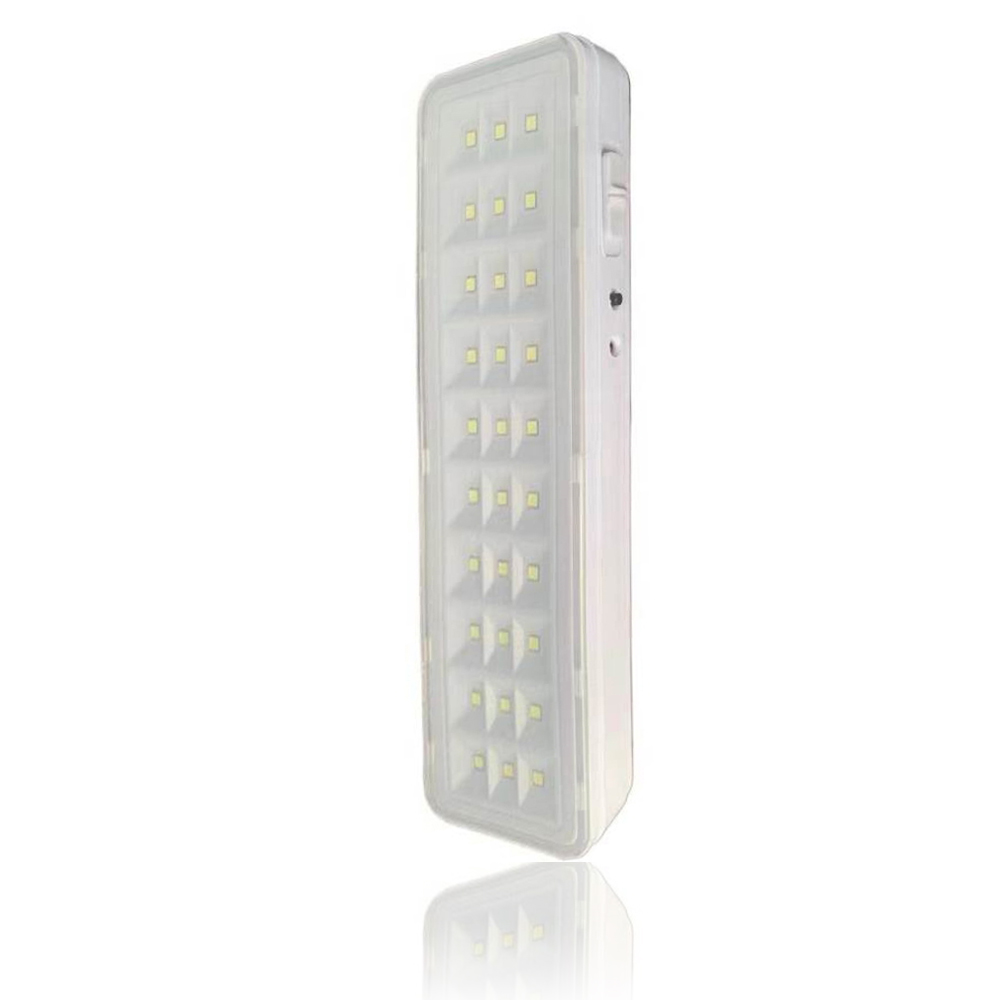
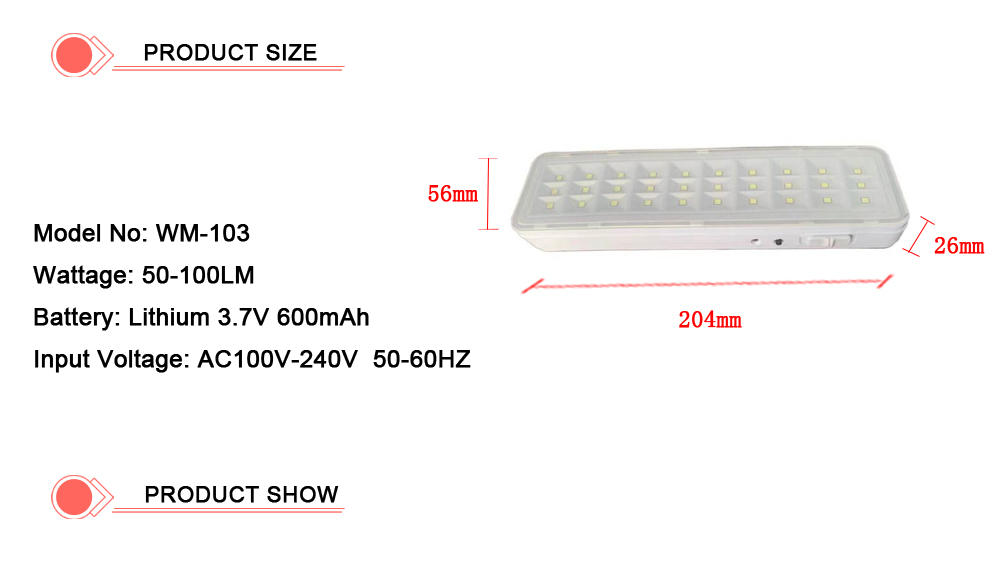
This category tends to get less attention than exit signage during planning, yet it's often the fixture type that determines whether an evacuation from a large open space goes smoothly. Ceiling units are typically specified based on lumen output per square meter, battery duration, and whether they operate in maintained mode (always on) or non-maintained mode (activates only during a power loss).
Below is a quick comparison of the three most common fixture categories used in commercial safety lighting plans, to help clarify which option suits which space.
Fixture Type | Primary Use Case | Typical Battery Duration | Best Suited For |
|---|---|---|---|
Directional Signage | Marking exit routes and doorways | 3 hours (standard) | Corridors, stairwells, exit doors |
Ceiling / Downlight Units | Even ambient coverage of open areas | 1–3 hours | Lobbies, offices, warehouses |
Twin Spot Fixtures | Focused beam lighting for specific zones | 1–3 hours | Loading docks, plant rooms, car parks |
Bulkhead Fixtures | Wall-mounted general illumination | 1–3 hours | Outdoor walkways, external exits |
Choosing between these fixture types isn't an either-or decision. Most commercial buildings require a combination: signage for wayfinding, ceiling units for open spaces, and spot or bulkhead fixtures for specific high-risk zones like loading docks or mechanical rooms.
Code compliance is the baseline, not the goal. The real differentiator between manufacturers comes down to component quality, testing rigor, and how the product performs after years of daily charge-discharge cycles.
Jiangmen Yuanhe Import and Export Co., Ltd, trading as PRO LED, has spent more than two decades manufacturing commercial and industrial lighting for export markets worldwide. The company's production facility near China's Guzhen lighting hub operates dedicated workshops for SMT assembly, product aging tests, and finished-goods inspection, with output certified to ISO9001 and CE safety standards. That level of in-house quality control matters when a building's life-safety equipment needs to perform correctly on the one day it's actually called upon.
Beyond individual fixtures, manufacturers in this space increasingly offer intelligent central control systems that monitor battery health, run automated self-tests, and flag failing units before they become a compliance issue. For facility managers overseeing dozens or hundreds of fixtures across a property portfolio, this kind of centralized monitoring saves considerable time compared to manual inspection rounds.
Even the best-built fixture is only as good as its maintenance schedule. Most fire codes require a monthly function test (a brief simulated power cut to confirm each unit switches on) and a full-duration annual test that drains the battery completely to confirm it meets its rated runtime.
Skipping these tests is one of the most common reasons buildings fail fire inspections. Batteries degrade gradually, and a fixture that worked perfectly during installation can quietly lose runtime capacity over eighteen to twenty-four months without anyone noticing, until the day the power actually goes out and the lights fade after forty minutes instead of three hours.
Facility teams that log test results, track replacement intervals for batteries, and budget for periodic fixture upgrades tend to avoid the costly last-minute scramble that comes with a failed inspection.
Backup illumination isn't a single purchase decision, it's an ongoing system that combines the right fixture types, a dependable manufacturer, and a consistent testing routine. Start by mapping your building's evacuation routes and open spaces, match each zone to the appropriate fixture category from the comparison above, and confirm that whichever supplier you choose can back up their products with real certification and documented battery performance.
Getting this right isn't just about passing an inspection. It's about making sure that on the one day the lights actually go out, everyone in the building can find their way to safety without a second of confusion.


