- All
- Product Name
- Product Keyword
- Product Model
- Product Summary
- Product Description
- Multi Field Search

Views: 0 Author: Site Editor Publish Time: 2026-10-07 Origin: Site
Facility managers rarely get credit for the atmosphere of a building, but they're the ones who decide whether a lobby feels cold and clinical or warm and welcoming. For years, that decision was locked in at installation. Fixed-color fixtures meant picking one mood and living with it, morning, noon, and night, regardless of what the space actually needed.
CCT (Correlated Color Temperature) LED lighting changes that equation. A single tunable fixture can shift between warm amber tones and crisp daylight white, giving buildings the flexibility to match lighting to activity rather than forcing activity to adapt to lighting. For offices, retail stores, and hospitality venues, that shift isn't cosmetic. It affects how customers feel, how employees focus, and how much a facility spends maintaining its lighting system over the long run.
This guide looks at CCT LED technology from a different vantage point than the usual product spec sheet. Instead of starting with the hardware, it starts with the problem facility managers and procurement teams actually face: too many fixture types, too much maintenance complexity, and lighting that can't keep pace with how a space is actually used throughout the day. From there, it covers how PRO LED's commercial range, manufactured by Jiangmen Yuanhe Import and Export Co., Ltd, addresses that problem.
Before CCT technology became mainstream, specifying lighting for a mixed-use commercial building meant juggling multiple SKUs. A hotel lobby might need warm 2700K fixtures, the adjacent business center might call for 4000K neutral white, and the back-of-house corridors might run on 5000K cool white for safety and visibility. Each color temperature meant a separate product line, separate spare parts, and separate replacement cycles.
CCT-tunable fixtures collapse that complexity into one product family. Inside each fixture sit two LED chip sets, one warm-white and one cool-white, and the fixture blends their output to land anywhere within its rated range, typically 2700K to 6500K. Procurement teams can standardize on a single fixture type and adjust color temperature at the point of use instead of at the point of purchase. That's a meaningful difference when a project involves hundreds of units: fewer SKUs to track, fewer spare parts to stock, and a simpler maintenance contract overall.
Color temperature flexibility only solves half the problem. The other half is choosing the right fixture format for how a space is used and how people move through it.
A CCT LED Ceiling Light is the workhorse of this category. Mounted flush or recessed into open-plan offices, lobbies, and hallways, it spreads light evenly across a wide area, which makes it the default choice wherever uniform brightness matters more than directional emphasis.
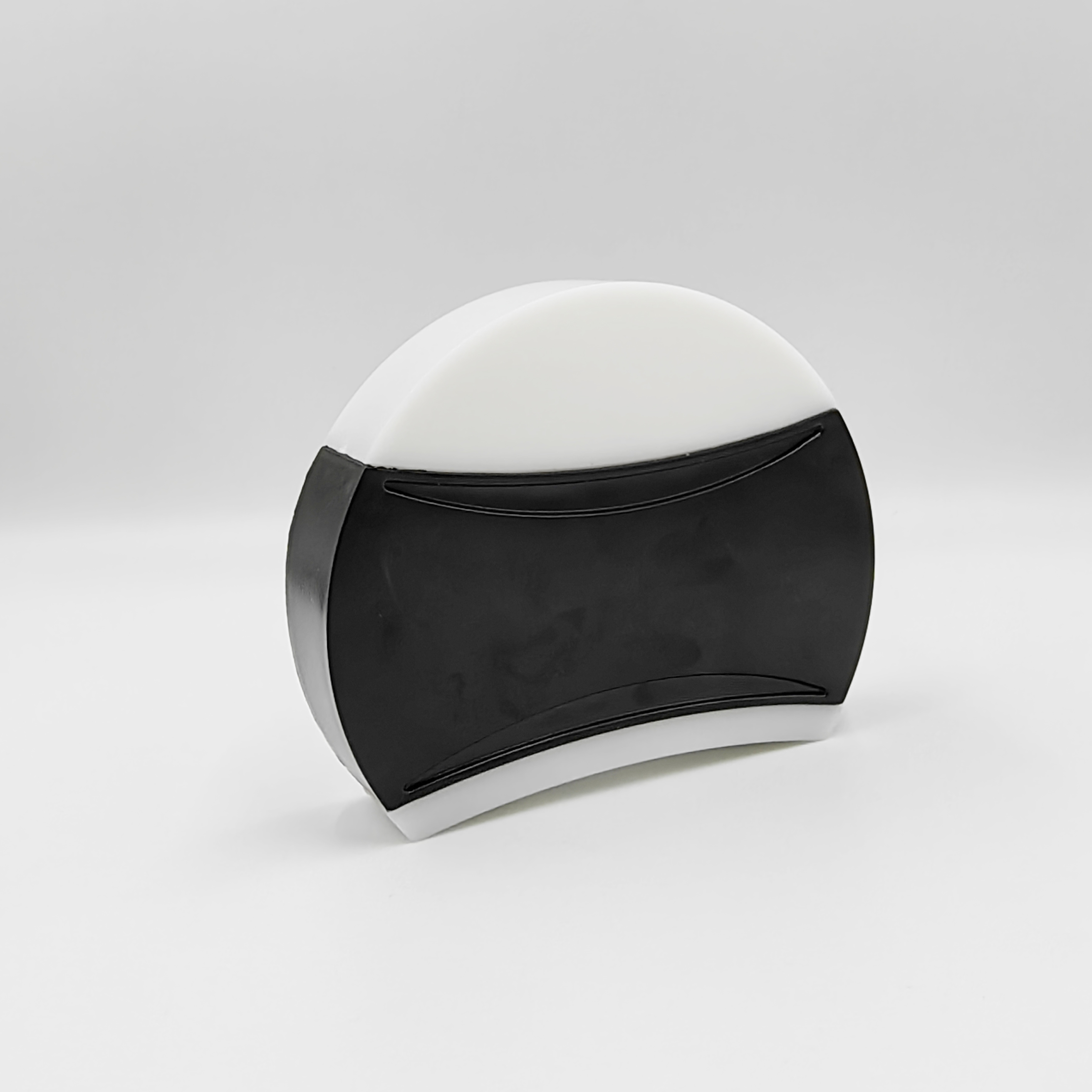
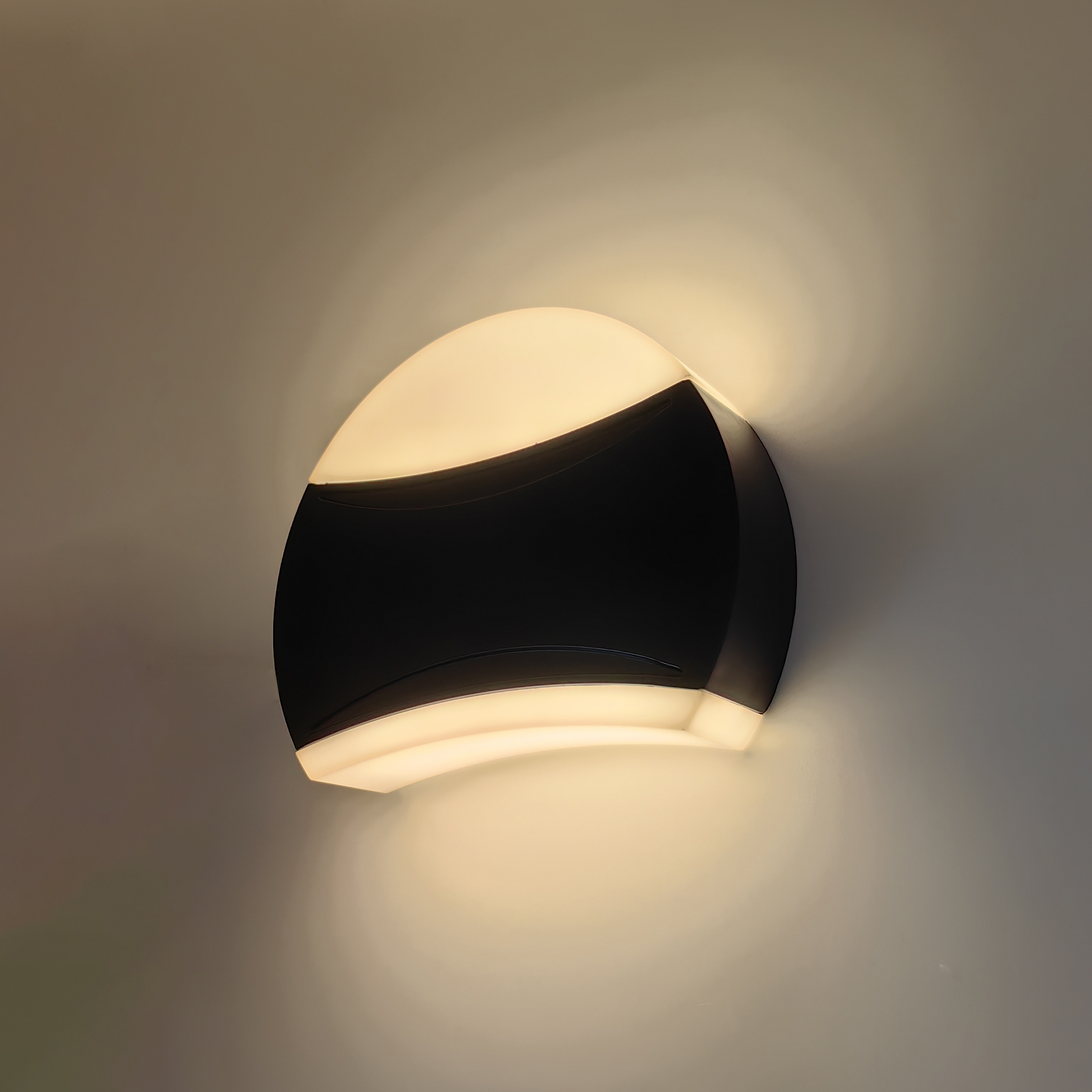
A CCT LED Track Light solves a different problem entirely. Retail displays and gallery walls need light aimed at specific products or artwork, not spread evenly across the whole room. Because track fixtures mount on a rail and can be repositioned, store designers can redirect individual heads as merchandising layouts change, without touching the ceiling infrastructure. For retailers who refresh their floor plans seasonally, that adjustability saves real labor.
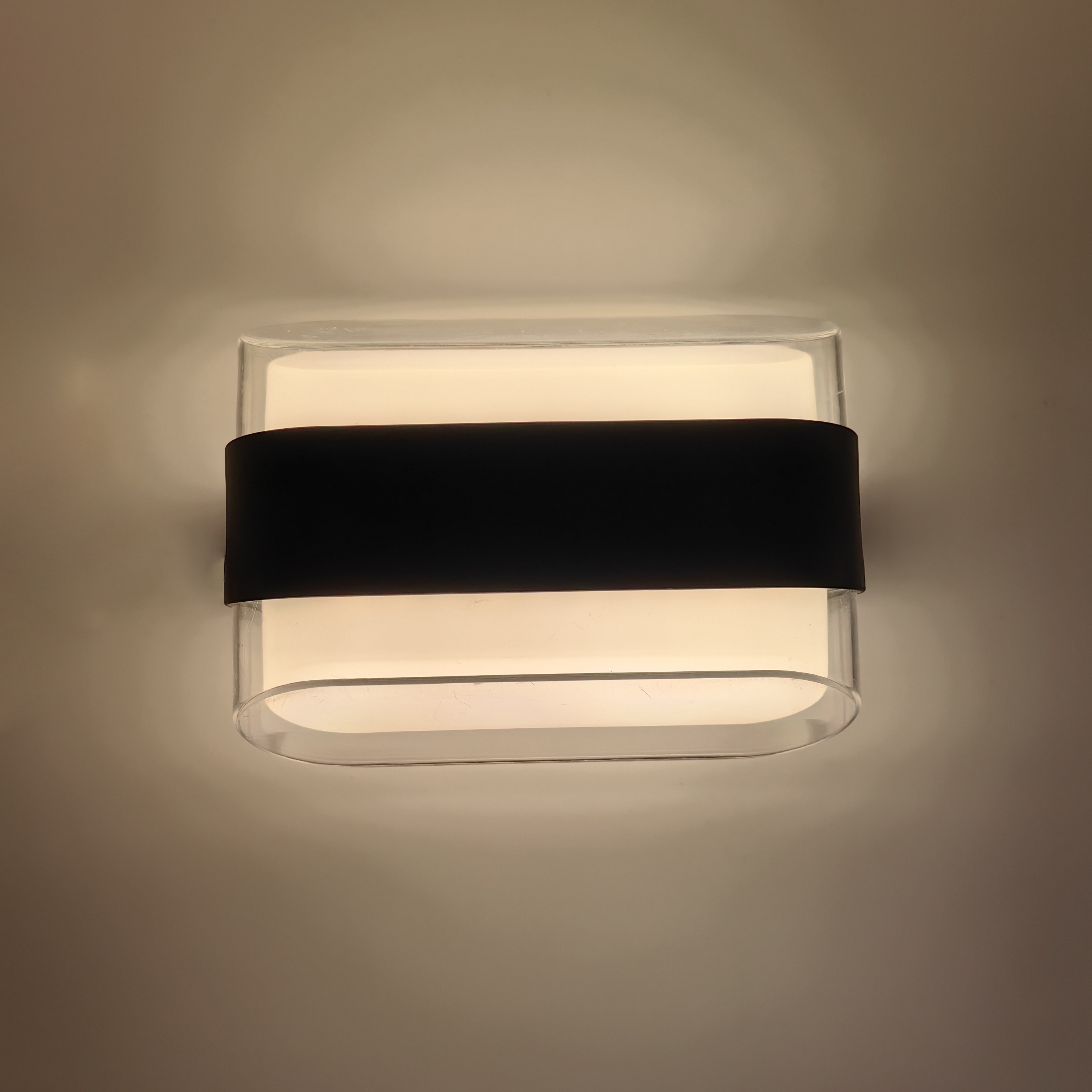
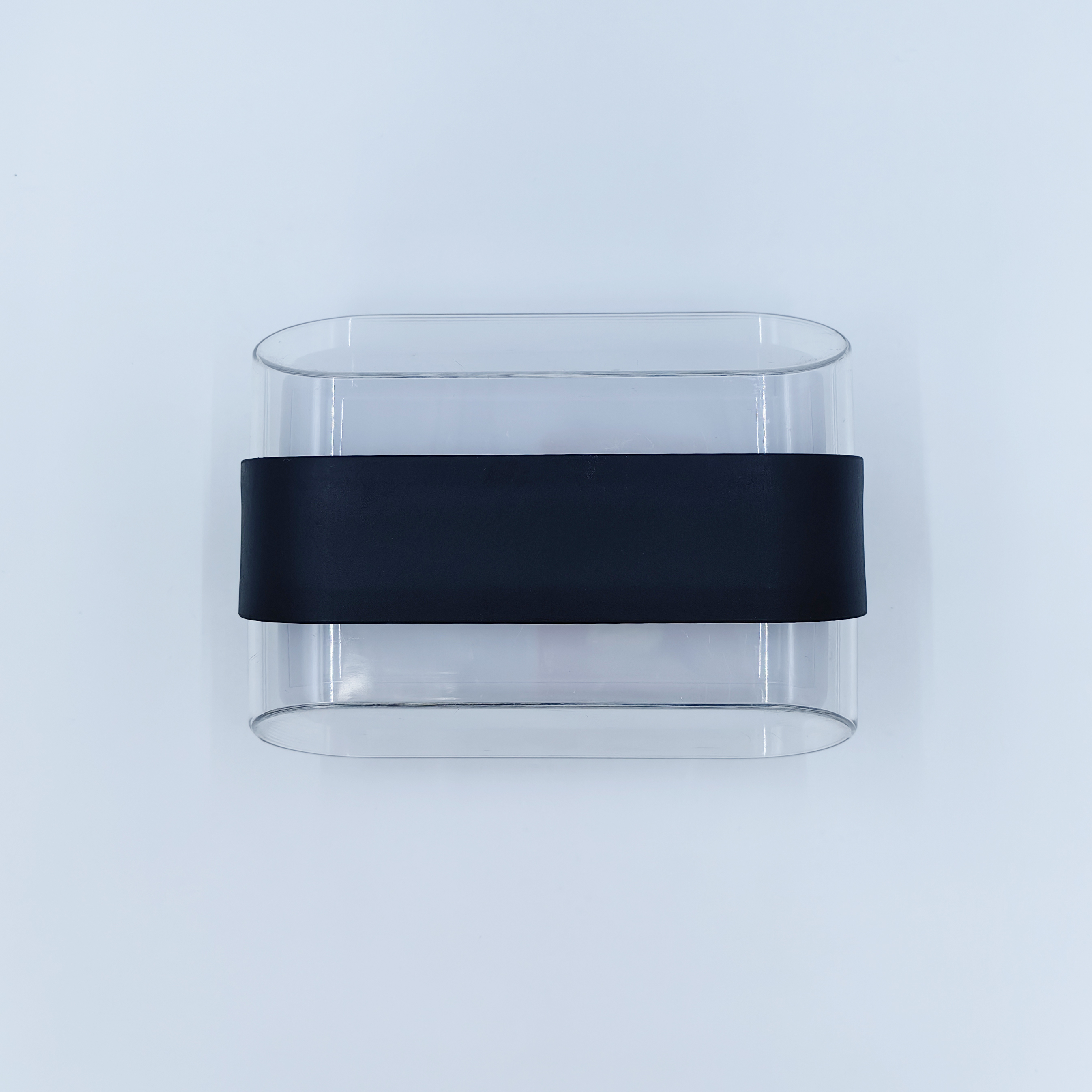
A CCT LED Down Light fills the gap between the two. Recessed into a suspended ceiling, it produces a focused beam with a clean, low-profile finish, which makes it well suited to meeting rooms, hotel corridors, and any space where the fixture itself should be nearly invisible.
Most commercial fit-outs end up combining all three formats, layering ambient ceiling lighting, accent track lighting, and focused downlighting to build a complete lighting plan rather than relying on one fixture to do every job.
Retail and hospitality environments feel the benefit of CCT tuning most directly, because their lighting needs change by the hour. A clothing store might run neutral 4000K light during business hours so fabric colors render accurately, then shift warmer in the evening to create a more relaxed, premium shopping mood. A restaurant can light breakfast service at a brighter, cooler setting and dial down to 2700K for dinner, all without swapping a single fixture. What used to require two separate lighting systems now takes one adjustment on a controller.
Offices get a different but equally real payoff. Workplace lighting research consistently links cooler color temperatures, roughly 5000K to 6500K, with improved alertness and focus, which is why task-heavy zones often default to that range. Breakout areas and informal meeting spots tend to work better under warmer settings closer to 3000K, which signal a slower, more relaxed pace. Designing lighting zones around work mode, rather than applying one setting across an entire floor, is only practical when the fixtures themselves can shift.
A few decisions determine whether a CCT lighting specification performs well in practice:
Match the range to the use case. Hospitality environments generally skew warm, 2700K to 3000K. Offices and retail tend to perform best in a neutral 3500K to 4500K range. Healthcare and industrial settings often need cool white at 5000K or above.
Confirm control compatibility. CCT tuning depends on a compatible dimmer or controller. Before finalizing a fixture order, confirm whether the building uses 0-10V, DALI, or RF remote control, since not every driver supports every protocol.
Check the color rendering index (CRI). CRI measures how accurately a fixture renders object colors compared with natural light. Retail and hospitality projects generally call for CRI 90 or higher, since customers notice when merchandise or food looks off-color under artificial light.
Factor in lumen maintenance. Fixtures that hold their output over a long rated lifespan reduce the frequency of replacements, which matters more over a ten-year ownership horizon than the sticker price on day one.
CCT-tunable fixtures typically carry a modest premium over fixed-color equivalents, reflecting the dual-chip design and the driver circuitry needed to blend outputs. Objections to that upfront cost are common, and they're worth addressing directly rather than glossing over.
Standardizing on fewer SKUs reduces inventory costs and simplifies maintenance contracts. Longer rated lifespans and lower replacement frequency reduce labor costs over time. And because a tunable fixture can be reprogrammed rather than physically swapped, a space can be adapted for a new tenant or a rebranded retail concept without a renovation budget. Across a project with hundreds of fixtures, those savings compound quickly, often outweighing the initial premium within a few years.
Jiangmen Yuanhe Import and Export Co., Ltd has exported commercial and emergency lighting products since 2001 from its facility in Jiangmen City, Guangdong Province, near Guzhen, often described as China's lighting manufacturing hub. The company's commercial LED range, sold under the PRO LED brand, is CE certified and produced under an ISO 9001:2008 quality management system, with dedicated production, QC, and inspection departments covering everything from incoming materials to finished-product testing.
For specifiers managing international projects, sourcing the full lineup from one supplier, indoor ceiling, track, and downlight fixtures plus outdoor wall lights, simplifies logistics compared with coordinating multiple vendors. Yuanhe's team has served markets across Europe, the Middle East, and Southeast Asia for more than two decades. Buyers with product inquiries or bulk pricing questions can reach the sales team directly at kate@worldyuanhe.com or helen@worldyuanhe.com.
Lighting decisions made today tend to stay in place for a decade or more. Choosing fixtures that can adapt to a tenant change, a seasonal retail refresh, or a shift in how an office floor is used protects that investment far better than locking in a single color temperature at installation. Before the next lighting project goes out to bid, it's worth asking whether a tunable CCT system could replace three or four fixed-color SKUs with one adaptable product line, and what that would mean for maintenance budgets five years from now.
What does CCT mean in LED lighting?
CCT stands for Correlated Color Temperature, measured in Kelvin. Lower values produce warm, yellowish light, while higher values produce cool, blue-toned white light. CCT-tunable fixtures can shift between these values from a single unit.
Is CCT-tunable lighting more expensive than fixed-color LED?
Yes, typically by a modest margin, reflecting the dual-chip design. The premium is often recovered through reduced fixture variety, simpler inventory, and longer service life.
Can CCT fixtures be retrofitted into an existing building?
In many cases, yes. Retrofit compatibility depends on the existing ceiling or track infrastructure, and manufacturers like Yuanhe offer models built to standard cutout sizes to ease the transition.


